For over a decade, autonomous vehicle ride-hailing programs relied on retrofitted consumer crossovers: Lexus RX hybrids, Chrysler Pacifica minivans, and Jaguar I-PACE electric SUVs fitted with awkward rooftop sensor racks and redundant steering wheels.
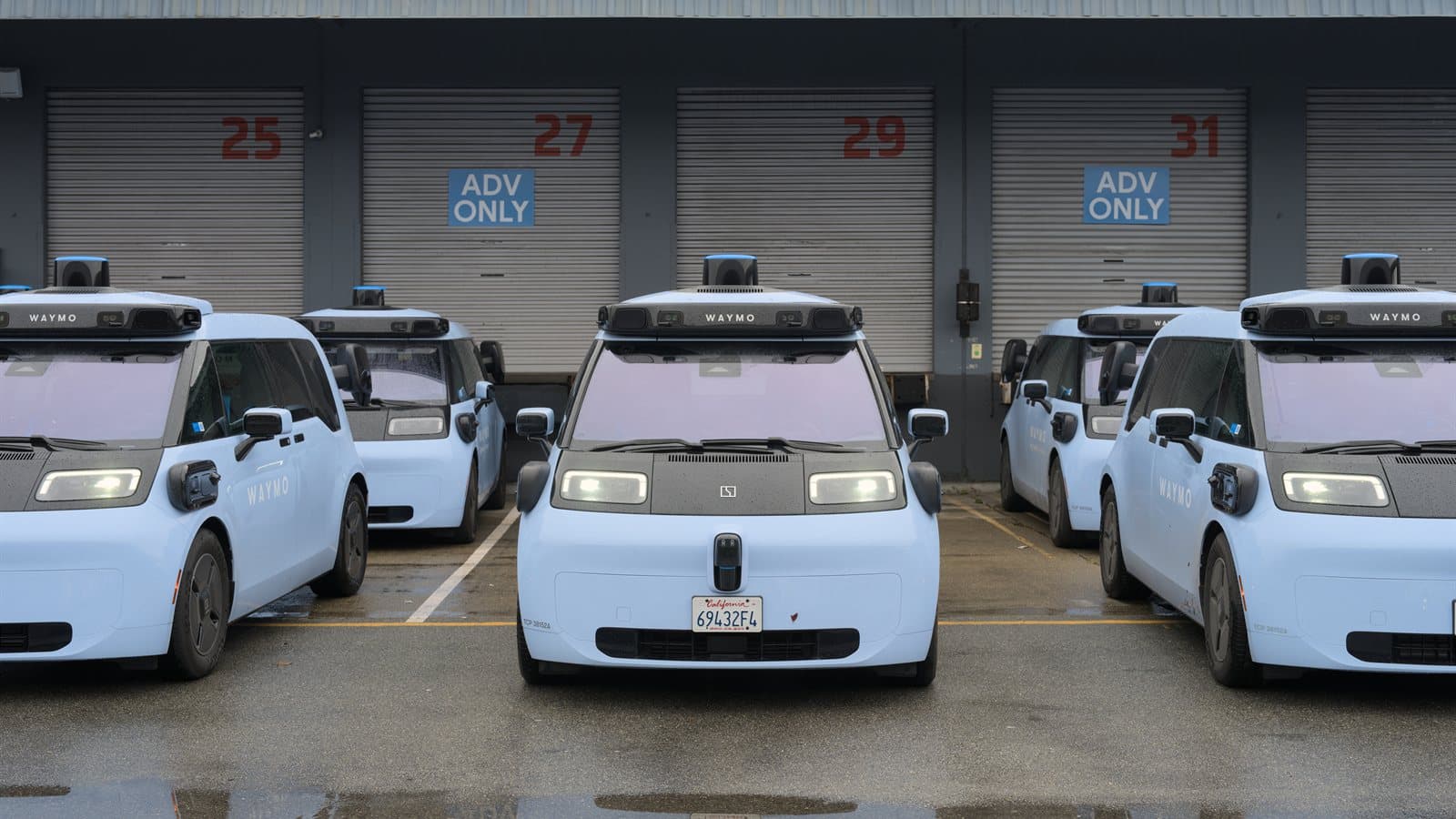
Now, Waymo's commercial autonomous service (Waymo One) has taken the definitive evolutionary leap. In partnership with Geely's premium electric brand Zeekr, Waymo has rolled out the Waymo Ojai—a clean-sheet, purpose-built autonomous electric passenger cabin engineered from day one strictly for rider comfort, safety, and driverless urban mobility.
Waymo Zeekr Autonomous Fleet Vehicle at Depot Facility📷 Picture courtesy of Waymo LLC / Zeekr Global
The SEA-M Platform: Ergonomics Without Legacy Constraints#
The mechanical foundation of the Waymo Ojai is Geely's Sustainable Experience Architecture for Mobility (SEA-M). Because the vehicle does not need an engine bay, mechanical steering column, or pedal linkages, the designers turned the entire 3-meter wheelbase into an expansive passenger lounge:
B-Pillarless Opposing Sliding Doors: Front and rear doors glide open in opposite directions, creating an enormous 1.4-meter aperture for effortless passenger boarding.
Low Flat Floor: Step-in height of just 370 mm makes entering the cabin as effortless as stepping onto a low curb, providing full ADA accessibility.
Cockpit Replaced by Comfort: No steering wheel, pedals, or driver dashboard; passengers are greeted by individual entertainment touchscreens, dual wireless phone charging bays, and generous executive legroom.
Sensor Integration: Unlike clumsy aftermarket sensor pods, the 6th-Generation Waymo Driver suite is flush-molded directly into the vehicle's pillars, roof crown, and front fascia.
“"When you eliminate the driver's seat and mechanical linkages, the automobile ceases to be a machine you operate and becomes an architectural sanctuary moving quietly through the city."”
Underneath the sleek exterior skin lies Waymo's most advanced autonomous system to date, engineered to operate seamlessly across dense metropolitan centers in rain, fog, and intense summer heat:
13 Cameras: High dynamic range (HDR) optical sensors delivering 360-degree vision with automatic thermal defrosting and high-pressure cleaning nozzles.
4 Solid-State LiDARs: Long-range and surround LiDARs mapping millimeter-accurate 3D point clouds up to 500 meters away.
6 Imaging Radars: High-resolution radar arrays penetrating heavy rain, dust storms, and dense fog where cameras alone cannot see.
While personal vehicle ownership costs continue to rise through insurance and maintenance inflation, Waymo's commercial metrics demonstrate the economic viability of autonomous mobility. Operating 24/7 across San Francisco, Phoenix, Los Angeles, and Austin, Waymo One vehicles deliver hundreds of thousands of paid commercial rides weekly with safety records exceeding human-driven ride-hailing by orders of magnitude.
The Waymo Ojai manufactured by Zeekr marks the exact transition point where autonomous vehicles stopped mimicking traditional human-driven cars and began fulfilling their true purpose. It is comfortable, quiet, accessible, and a profound glimpse into urban transport for the next half-century.