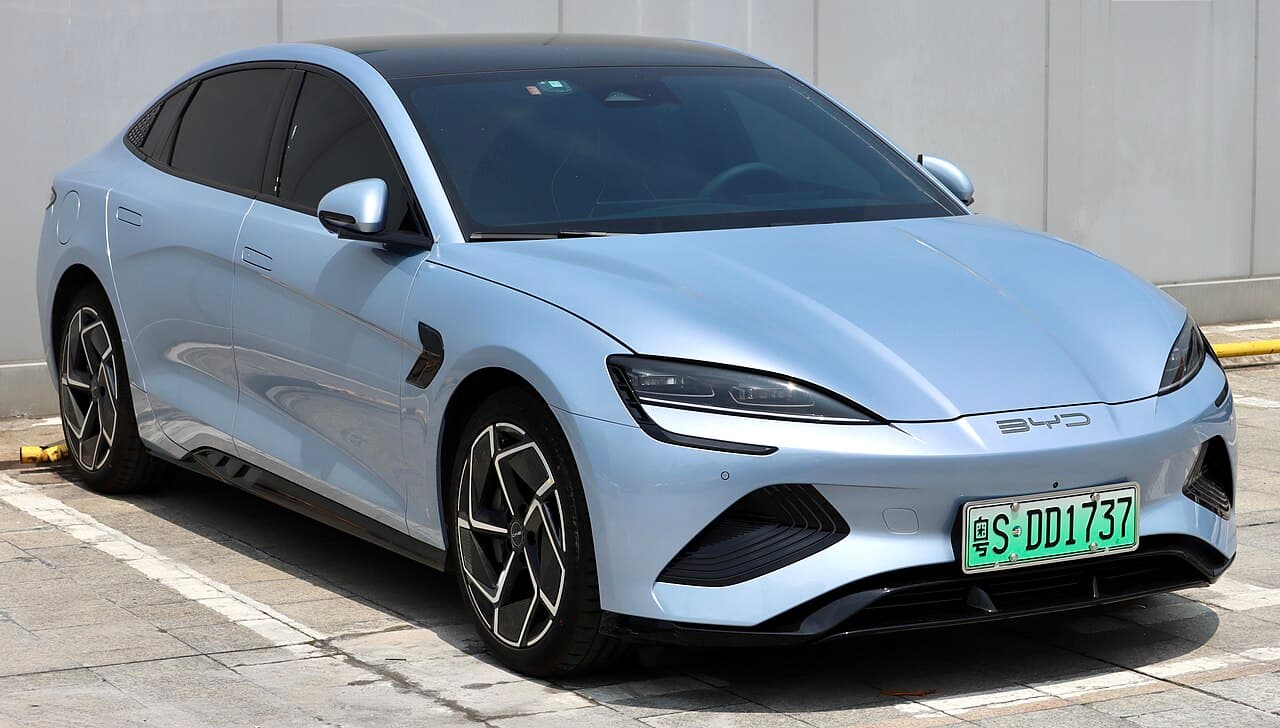
Solid-State Battery Revolution 2026: Anode-Free Tech, 1,000 km Range & 10-Minute DC Charging
M
Mia Okafor
· 8 min read read
0 min left
For more than a decade, solid-state batteries were the perennial automotive mirage: always five years away, perpetually confined to white papers and laboratory cleanrooms. But 2026 has witnessed the historic transition from experimental validation to automotive pre-production pilot manufacturing.
Automakers including Toyota, Porsche, Stellantis, and Mercedes-Benz, partnering with deep-tech battery innovators such as QuantumScape, Factorial Energy, and ProLogium, have begun real-world road trials on public highways with production-intent solid-state packs.
High-Voltage Solid-State Battery Mule Testing📷 Picture courtesy of Porsche Engineering
The Chemistry Quantum Leap: Eliminating the Liquid Fire Hazard#
Conventional lithium-ion batteries rely on a flammable organic liquid electrolyte to shuttle lithium ions between cathode and anode during charging and discharging. This liquid medium requires heavy aluminum cooling plates, firewalls, and complex thermal management systems to prevent thermal runaway.
Solid-state cells replace this liquid entirely with a dense, non-flammable solid ceramic or polymer electrolyte separator. Paired with pure lithium-metal anodes, the energy density leap is staggering:
Gravimetric Energy Density: 450–500 Wh/kg (compared to 260–280 Wh/kg in premium liquid NMC811 cells).
Volumetric Energy Density: Exceeds 1,050 Wh/L, allowing a 100 kWh battery pack to fit into sports car floorpans without raising the roofline.
Pack Weight Reduction: Up to 40% reduction in overall battery system mass, shedding 250 to 350 kilograms from full-size luxury sedans.
Fast-Charging Capability: 10% to 80% state of charge in 9 to 11 minutes flat at sustained charging rates exceeding 400 kW.
Thermal Safety Window: Operates safely at temperatures up to 100°C without risk of fire or catastrophic dendritic short-circuiting.
“"Solid-state technology isn't just about longer range; it shrinks battery mass by nearly 40%, finally restoring the agile handling dynamics that electric sports cars have sorely lacked."”
Real-World Implications: 1,000 Kilometers on a Single Charge#
What does this mean for the driver on the road? In real-world driving conditions, a luxury electric sedan equipped with a 120 kWh solid-state pack can comfortably achieve over 1,000 kilometers (621 miles) of range on the WLTP cycle.
More crucially, the charging curve does not experience the steep cliff drop-off common in liquid-electrolyte vehicles at 60% or 70% state of charge. Solid-state cells can maintain continuous high-amperage current almost all the way to 85% without overheating, transforming cross-continental road trips into effortless 10-minute coffee stops.
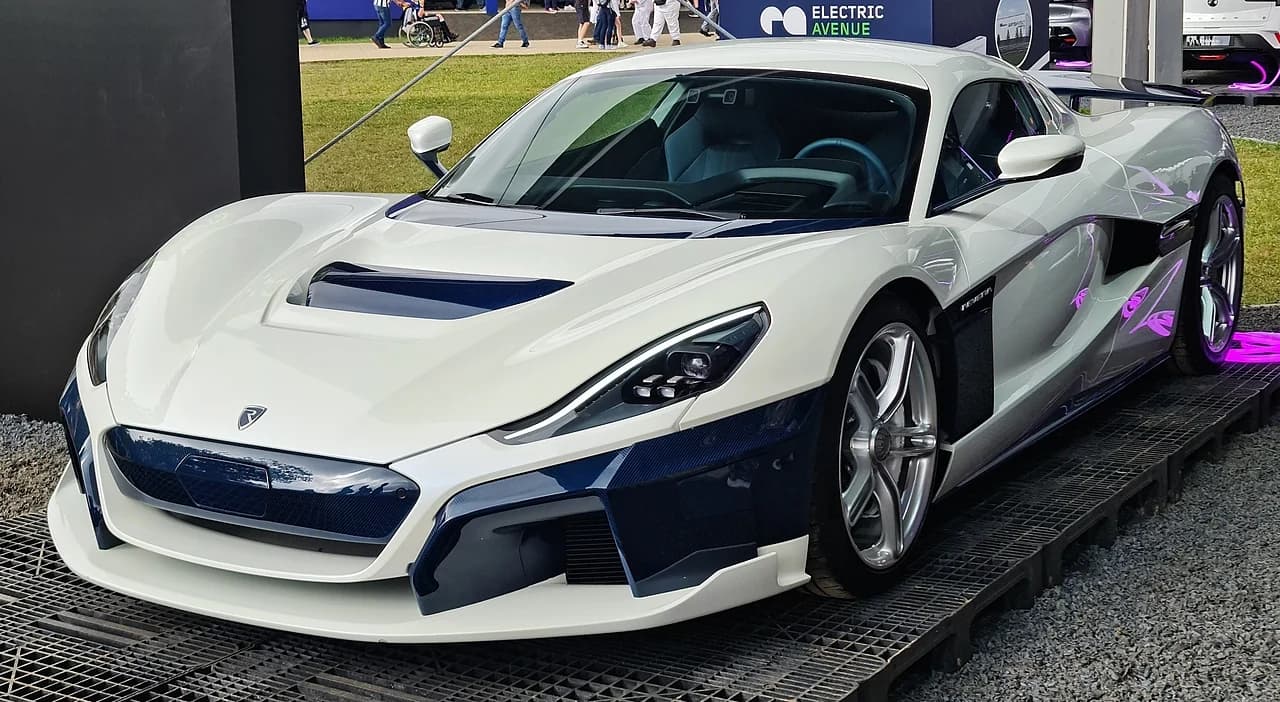
Next-Gen Electric Hypercar Architecture📷 Picture courtesy of Rimac Automobili
Commercialization Roadmaps: Who Delivers Series Production First?#
The global race to bring solid-state technology to volume showrooms is fierce:
Factorial Energy & Stellantis: Currently running a fleet of Dodge Charger Daytona EV test mules equipped with 390 Wh/kg Fest solid-state cells, with series production targeted for late 2027.
Volkswagen Group & QuantumScape: PowerCo has achieved certified industrial pilot production of anode-free lithium-metal cells achieving over 1,000 cycles with 95% capacity retention.
Toyota Motor Corporation: Plans first commercial deliveries in 2027–2028, initially reserved for high-end Lexus luxury grand tourers before scaling across hybrid and BEV platforms.
CATL & Contemporary Amperex: Developing all-solid-state cells with planned pilot manufacturing by 2027, complementing their semi-solid condensed matter batteries.
Solid-state batteries represent the true inflection point where electric vehicles overcome their final compromises. By eradicating range anxiety, slashing recharge times to match conventional fuel pumps, and dramatically reducing vehicle weight, solid-state chemistry ensures that the electric future will delight purists and commuters alike.