Global EV Tariffs & The 2026 Shift: How European and US Automakers Are Retooling
S
Sarah Lin
· 7 min read read
0 min left
The global automotive landscape in autumn 2026 is grappling with the most profound geopolitical realignment since the oil crises of the 1970s. Escalating trade barriers, protective tariff structures, and local manufacturing mandates are dismantling decades of globalized just-in-time supply chains.
With the European Commission finalizing countervailing duties reaching up to 35.3% on Chinese-built battery electric vehicles and the United States implementing 100% tariffs under Section 301, automakers on three continents have been forced to scramble, pivot, and re-shore.
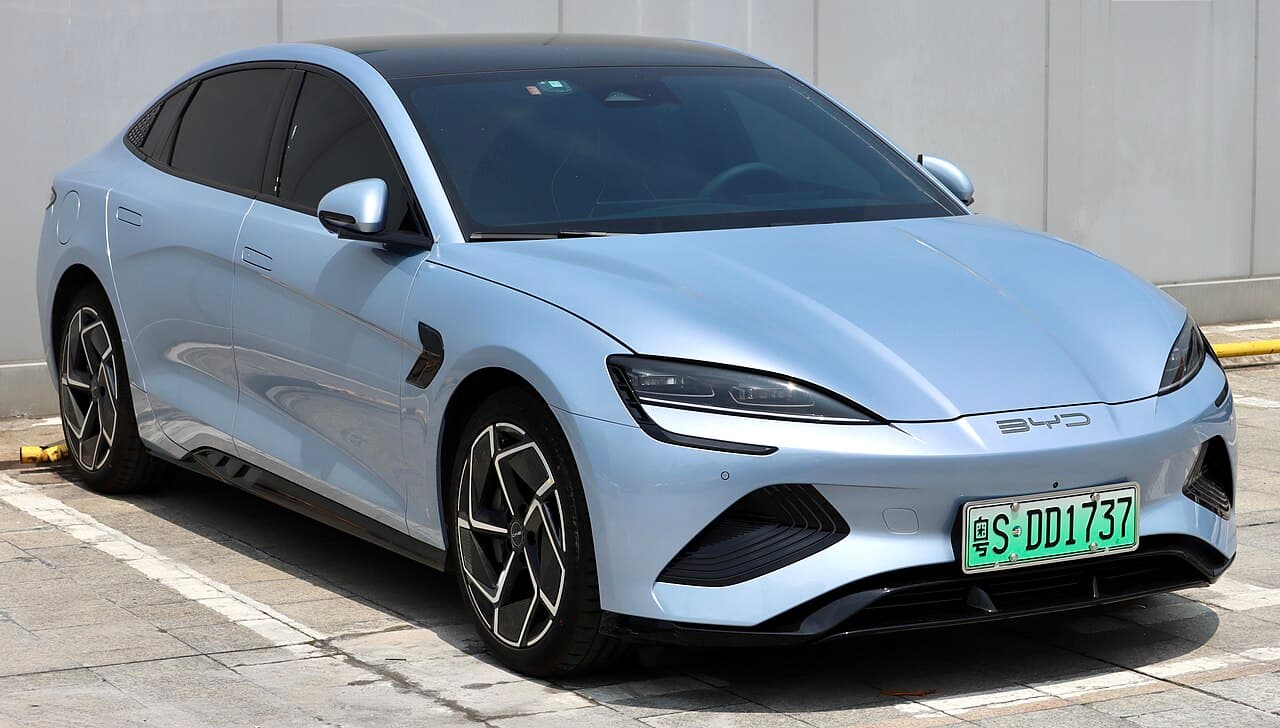
BYD Seal Excellence Cell-to-Body Architecture📷 Picture courtesy of BYD Auto Europe
The Re-Shoring Wave: Asian Automakers Build Inside Fortress Europe#
Rather than abandoning overseas markets, international EV manufacturers have adapted with lightning speed by deploying capital directly inside Western trading blocs.
The most striking example is BYD's multi-billion-euro manufacturing hub in Szeged, Hungary, which will commence series production in early 2027 with a target capacity of 200,000 vehicles annually. By producing vehicles like the Seal, Atto 3, and Dolphin within the European single market, BYD completely bypasses the EU import tariffs.
European Union Countervailing Tariffs: 17.0% for BYD, 18.8% for Geely, and 35.3% for SAIC Motor (on top of the baseline 10% auto duty).
US Tariff Structure: 100% duty on completed Chinese EVs, 25% on lithium-ion EV batteries, and 25% on critical minerals.
Local Value-Add Thresholds: Requires a minimum 45% European component value to qualify for tariff-free circulation across the 27 EU member states.
Capital Expenditure Shift: Over €42 billion allocated toward European and North American EV assembly and battery plants by Asian OEMs between 2024 and 2027.
“"Tariffs did not halt the expansion of Chinese electric vehicles; they merely forced their assembly lines and supply chains to move directly onto European soil."”
Chery Auto has revitalized the former Nissan facility in Barcelona, Spain, while Stellantis and Leapmotor have launched production of the ultra-affordable T03 city car at the Tychy manufacturing plant in Poland.
Western Legacy Automakers: Counter-Attacking with LFP Chemistry#
For European and American automakers—including Volkswagen Group, Renault, Stellantis, Ford, and General Motors—tariffs have provided a critical breathing window to lower manufacturing costs and close the price-parity gap.
The primary battlefield has shifted from high-cost nickel-manganese-cobalt (NMC) batteries to localized Lithium Iron Phosphate (LFP) cell production:
Renault Twingo E-Tech & R5 E-Tech: Engineered under the Ampere EV division with localized LFP supply chains to achieve sub-€25,000 and sub-€20,000 price targets.
Volkswagen Group MEB Entry Platform: PowerCo gigafactory in Salzgitter, Germany, ramping unified cell production to supply the VW ID.2all, Cupra Raval, and Skoda Epiq.
Stellantis STLA Small Architecture: Delivering entry-level electric mobility starting at €23,300 with European-sourced cell modules.
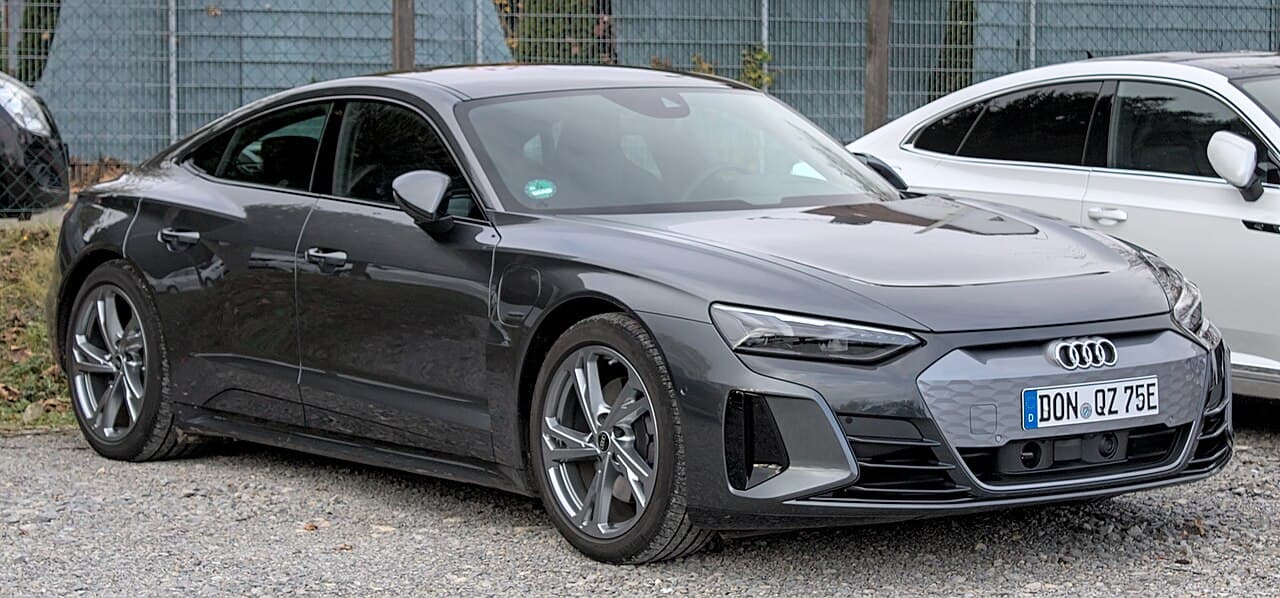
Next-Generation European Electric Architecture📷 Picture courtesy of Audi MediaCenter
The Strategic Race Toward Next-Generation Battery Chemistries#
While tariffs have temporarily stabilized market shares, industry leaders recognize that trade barriers cannot protect against technological disruption indefinitely. European and US automakers are pouring billions into pilot solid-state and sodium-ion battery programs.
Automakers are aggressively forming joint ventures with domestic energy specialists to secure cathode processing, synthetic graphite production, and recycling facilities within the Atlantic basin. The ultimate winner of the electric transition will not be determined by political tariff walls, but by who can manufacture the most efficient, durable, and affordable battery pack on home soil.