Nürburgring 2026 Lap Time Showdown: Production EV and Hypercar Records Shattered
E
Elena Rostova
· 8 min read read
0 min left
The Nürburgring Nordschleife has served as the ultimate proving ground for production performance vehicles for nearly a century. Its 20.832 kilometers of relentless elevation changes, blind crests, and 73 corners offer no hiding places.
During the late-summer 2026 record-hunting window, weather conditions across the Eifel mountains were unusually pristine. What followed was the most explosive period of lap-time warfare in the history of the Green Hell, as Chinese tech powerhouses, German engineering royalty, and boutique hypercar constructors clashed head-on.
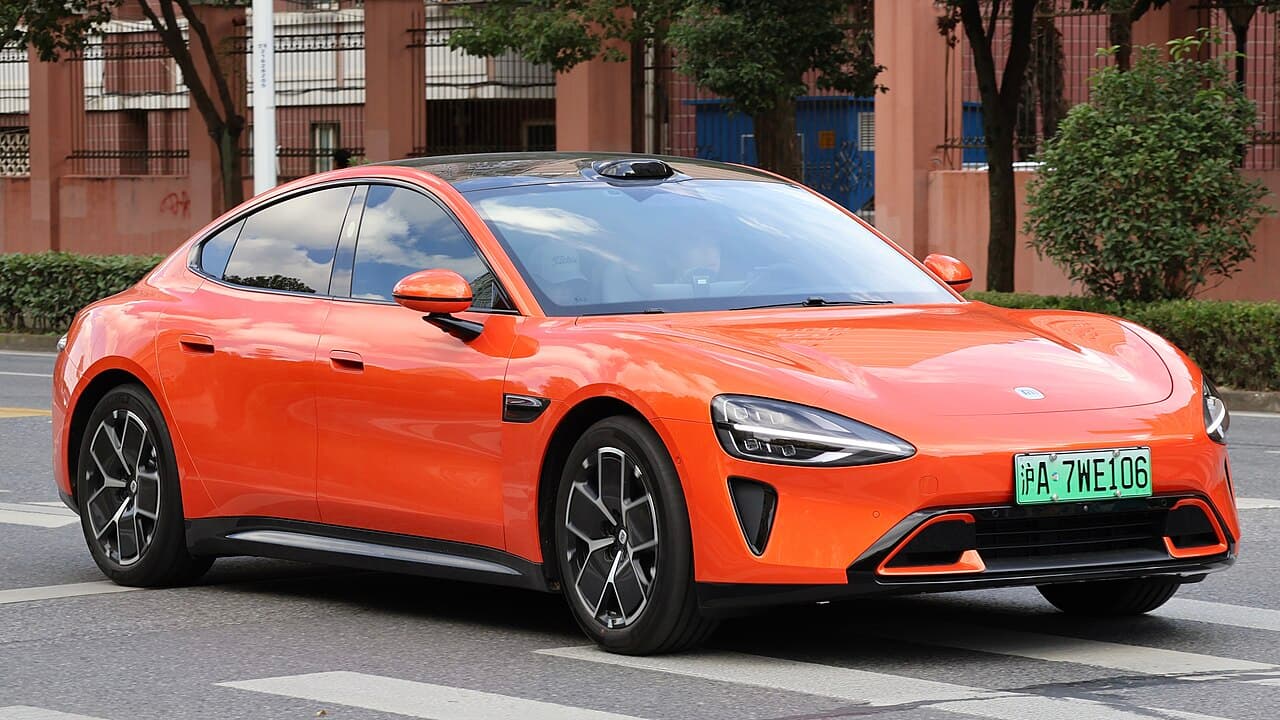
Xiaomi SU7 Ultra Prototype Storming the Nordschleife Carousel📷 Picture courtesy of Xiaomi EV
The Chinese Disruptor: Xiaomi's 1,548 HP SU7 Ultra#
The biggest seismic shock arrived from a smartphone giant. Xiaomi's motorsport division deployed the SU7 Ultra Prototype, piloted by British endurance racing veteran David Pittard, with the singular goal of proving that Chinese high-voltage EV engineering can dominate the world's most unforgiving track.
The numbers generated by the SU7 Ultra during its certified flying lap sent shockwaves through Stuttgart and Maranello:
Powertrain Setup: Tri-motor layout featuring two proprietary HyperEngine V8s motors (revving to 27,200 rpm) and one V6s front motor.
Combined Output: 1,548 hp (1,138 kW)
0–100 km/h (0–62 mph): 1.97 seconds
0–200 km/h (0–124 mph): 5.96 seconds
Battery Chemistry: CATL Qilin II high-power pack with 1,330 kW maximum discharge rate and dual-surface liquid cooling.
Aerodynamic Package: Full carbon-fiber widebody generating 2,145 kg of downforce at top speed.
Official Nordschleife Lap Time: 6:46.874 (conquering the prototype four-door electric record).
“"The sheer thermal stamina of 2026 battery cooling means electric prototypes can now conquer Tiergarten and Schwedenkreuz at flat-out velocities without entering thermal limp mode."”
Overcoming the Thermal Wall: The 2026 Technical Breakthrough#
Historically, electric vehicles running the Nordschleife faced a brutal physical obstacle: thermal saturation. Running at continuous full throttle through the high-speed sections from Flugplatz to Schwedenkreuz and up the final Döttinger Höhe straight caused battery cells and inverters to exceed 65°C, triggering aggressive power-derating software.
The 2026 generation of track EVs has solved this through three primary innovations:
Direct Liquid Immersion Cooling: Dielectric coolant circulates directly around cylindrical cell terminals rather than through indirect base plates.
Silicon Carbide (SiC) Inverters: 800V and 900V SiC modules reduce heat generation by 60% compared to previous silicon IGBT controllers.
Ultra-High C-Rate Cells: High-discharge NMC and solid-state hybrid chemistries produce dramatically lower internal resistance during peak discharge.
The lap times recorded this season are not merely bragging rights for marketing brochures. The extreme downforce management, high-voltage battery cooling circuits, and carbon-ceramic braking durability refined in the Eifel mountains are already trickling down into mainstream road models entering showrooms in 2027. The Green Hell remains the greatest crucible of automotive progress on Earth.