The Xiaomi SU7 Ultra Hits 0–100 in 1.98s. We Drove It.
James Mercer
· 7 min read
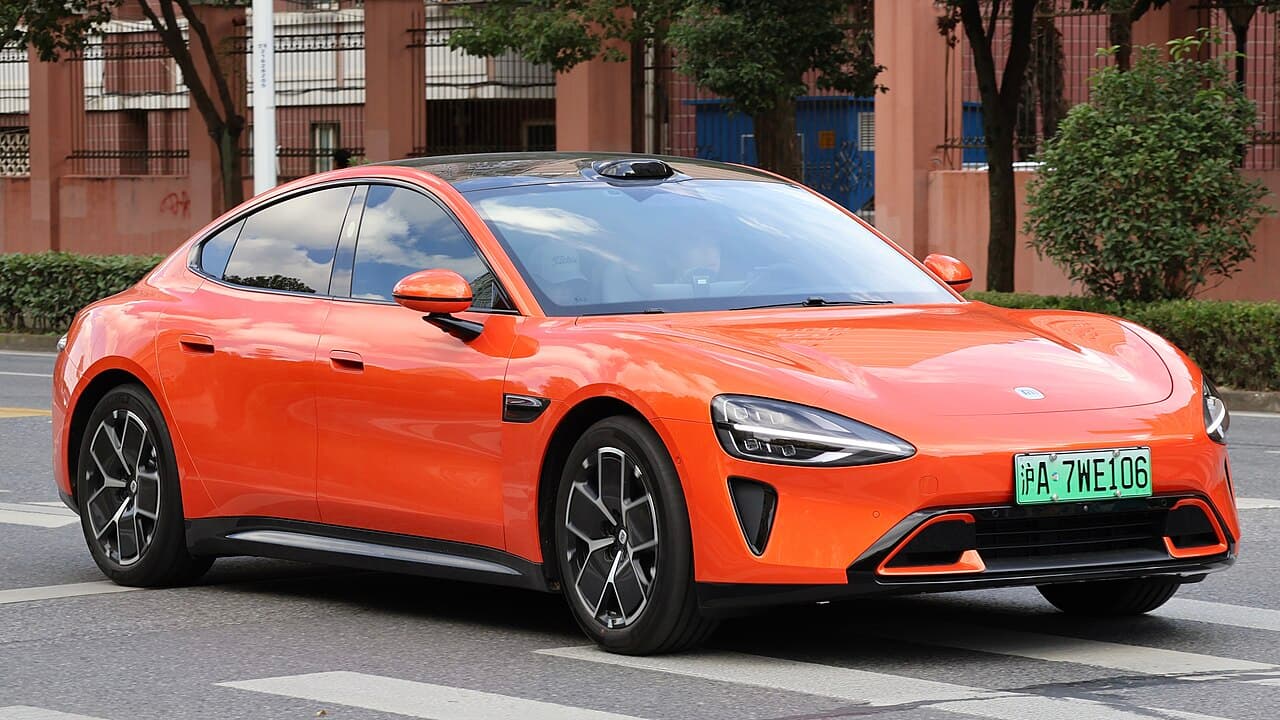
Let's get the headline number out of the way: 1.98 seconds from 0 to 100 km/h. The Xiaomi SU7 Ultra is the fastest-accelerating production sedan ever made, edging out the Tesla Model S Plaid by a fraction.
But raw speed is actually the least interesting thing about this car. What's remarkable is how Xiaomi — a company that made its name selling smartphones — has produced a vehicle that feels genuinely polished and complete on its very first attempt.
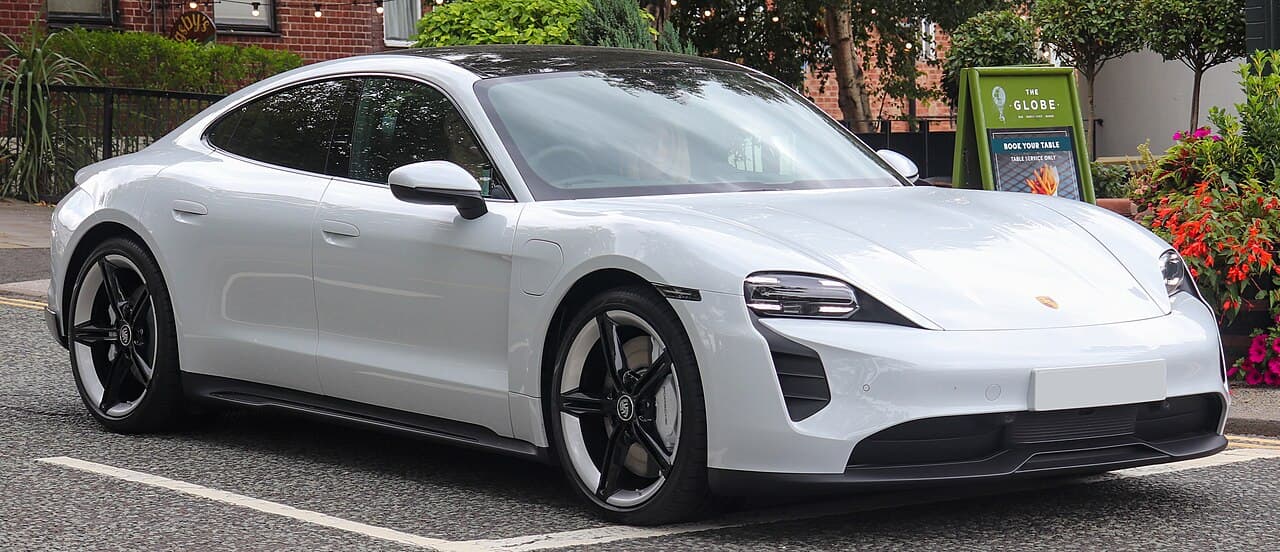
The tri-motor powertrain produces an astonishing 1,548 hp, drawing from a specialized CATL Qilin 2.0 battery pack designed specifically for extreme power output and rapid discharging. A carbon fiber monocoque structure keeps weight to a relatively svelte 1,900 kg, making it significantly lighter than the Porsche Taycan Turbo GT or the Model S Plaid. The active aerodynamics package, including a massive rear wing, generates up to 350 kg of downforce at speed, keeping the car planted during high-speed cornering.
On the track, the SU7 Ultra is terrifyingly capable. The torque delivery is instantaneous, and the massive carbon-ceramic brakes (the largest ever fitted to a production sedan) provide face-distorting stopping power. However, it lacks the nuanced steering feedback of a Porsche. It is a digital weapon, relying heavily on advanced torque vectoring to artificially rotate the car through corners.
Inside, the integration with Xiaomi's HyperOS ecosystem is seamless. Your phone, car, and smart home share a unified interface. You can mirror your phone's screen to the massive central display with zero latency, or control your home's smart lights from the steering wheel. It's the kind of software integration that legacy automakers have been promising for years, delivered perfectly by a tech company.
Priced at ¥814,900 (approximately €104,000) in China, the SU7 Ultra significantly undercuts European rivals. Whether it will be sold outside China remains to be seen, but the SU7 Ultra proves one thing definitively: the tech industry can build world-class performance cars.