How BYD Plans to Take 30% of Europe's EV Market by 2027
Ryo Tanaka
· 4 min read
BYD isn't just entering the European market — it's planning to dominate it. Internal documents obtained by Autovaly reveal that the Shenzhen-based automaker has set a target of capturing 30% of Europe's battery electric vehicle market by 2027.
The strategy rests on three pillars: local manufacturing, aggressive pricing, and a rapid model offensive. BYD is currently constructing its first European factory in Hungary, with a second planned in Turkey. These facilities will allow the company to avoid EU tariffs and reduce delivery times.
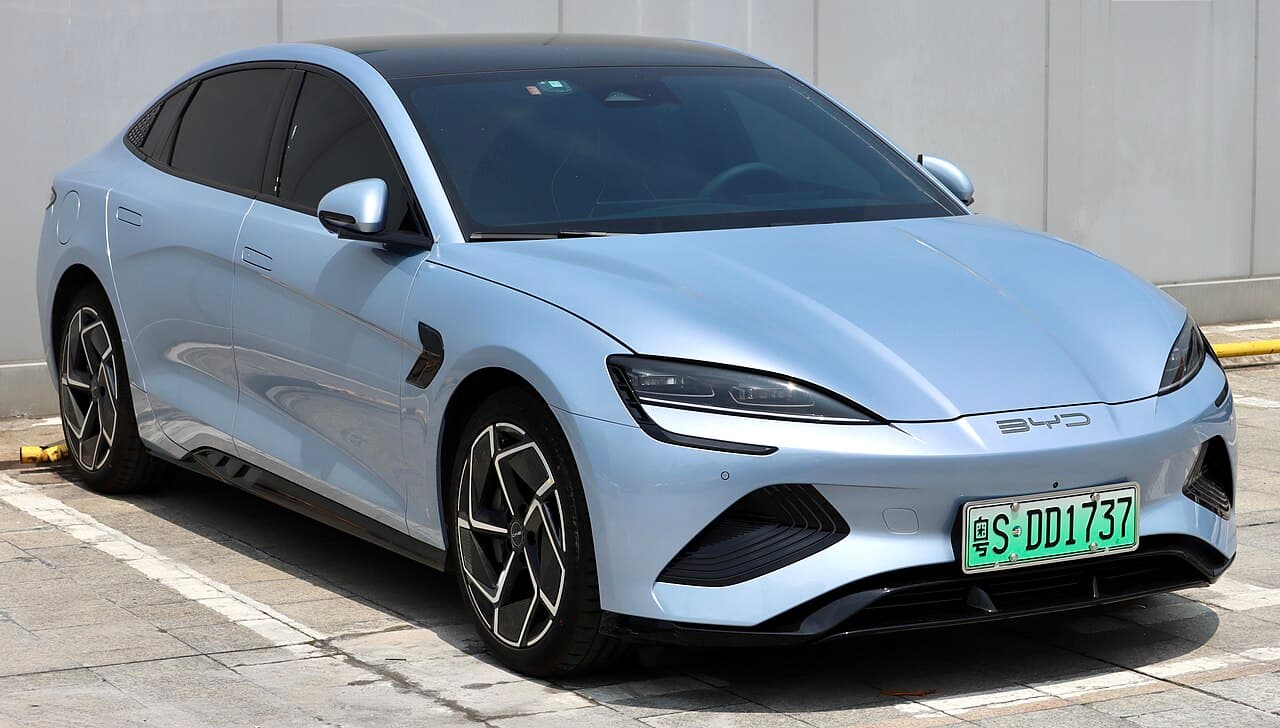
Pricing is perhaps BYD's most potent weapon. The Seal sedan starts at €39,990 in Germany — thousands less than comparable offerings from Volkswagen and Tesla. The upcoming Seagull, expected to launch in Europe in 2026, could start below €20,000, bringing electric mobility to a price point European legacy brands simply cannot match right now.
The rapid model offensive is staggering. While traditional automakers operate on 5-to-7 year product cycles, BYD is introducing new models and facelifts in half that time. The Dolphin hatchback, the Atto 3 crossover, the Seal sedan, and the Seal U SUV cover nearly every major volume segment in Europe.
Beyond the cars, BYD is investing heavily in logistics. By chartering its own specialized roll-on/roll-off cargo ships (the 'BYD Explorer' fleet), the company has insulated itself against global shipping bottlenecks and rising freight costs. It's a level of vertical integration matched only by Tesla.
European legacy automakers are understandably anxious. The 'blade battery' technology—a lithium iron phosphate (LFP) pack that forms a structural part of the vehicle—offers excellent safety and longevity at a low cost. Without a rapid shift in strategy, European brands risk losing their home turf. One senior Volkswagen manager told Autovaly: 'BYD is the most serious competitive threat we've faced in decades.'