Testing Tesla FSD v13: Closer to Autonomy, Or Just Another Beta?
James Mercer
· 9 min read
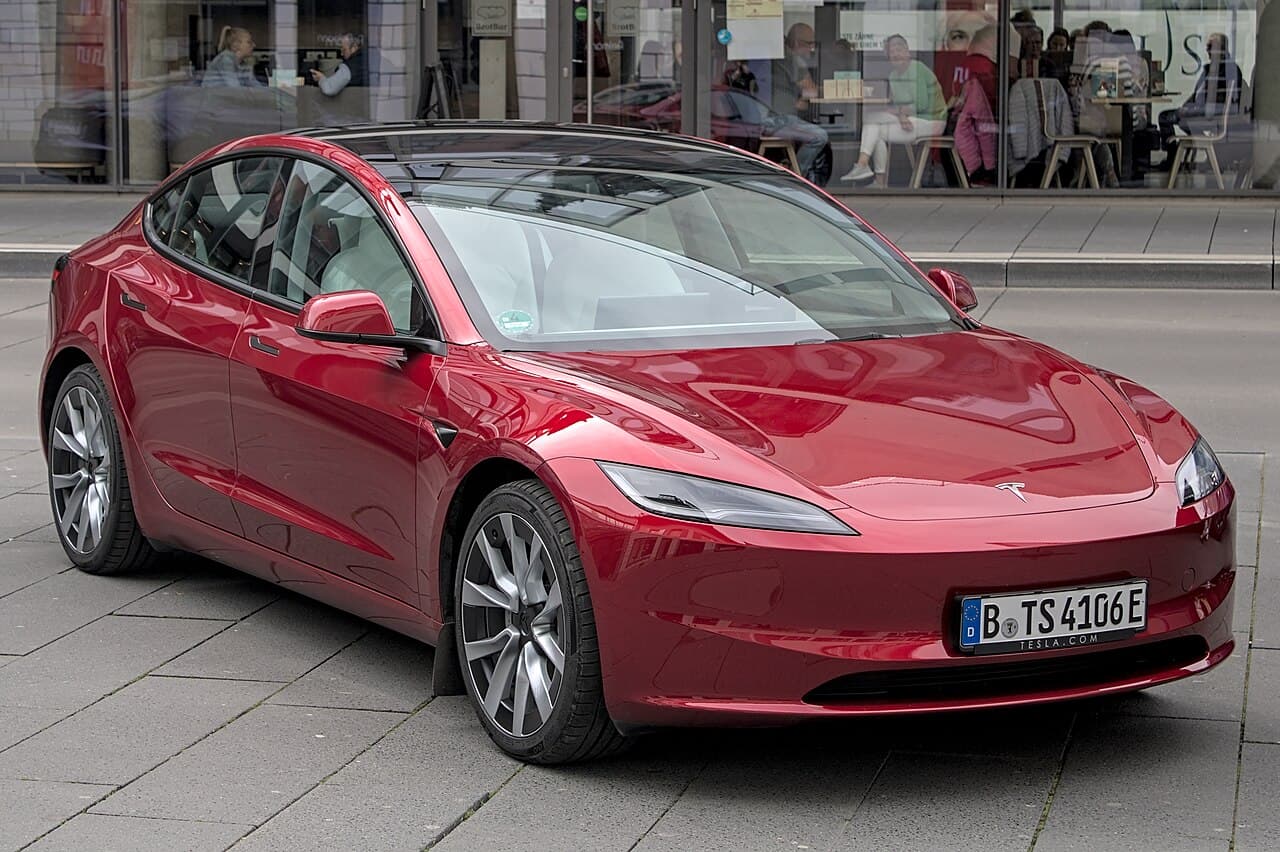
Tesla's transition to an 'end-to-end' neural network architecture with FSD v12 was a massive leap forward in making the system drive more like a human. Now, with v13, the company claims to have improved intervention rates by over 300%, aiming to finally deliver on the long-promised goal of autonomous driving.
We spent 500 miles testing the new software across diverse environments: the chaotic streets of San Francisco, rural highways in Nevada, and suburban sprawl in Texas. The difference from v12 is noticeable within the first few miles.
The good: FSD v13 is undeniably smoother. The jerky steering corrections and abrupt braking that plagued earlier versions are largely gone. The system handles complex multi-lane intersections and unprotected left turns with a confidence that is genuinely impressive. It navigates around double-parked delivery trucks and pedestrians with a fluid, human-like intuition that traditional rule-based systems struggle to emulate.
The bad: It still requires constant supervision. The system still occasionally gets confused by unusual construction zones, ambiguous lane markings, or complex four-way stops where human drivers rely on eye contact and hand gestures. More concerningly, it sometimes displays 'phantom confidence,' executing a wrong maneuver (like getting into a turn-only lane when navigating straight) smoothly rather than hesitating, requiring the driver to intervene sharply.
There is also the ongoing debate about Tesla's hardware suite. Unlike Waymo or Cruise, which rely heavily on expensive LIDAR sensors, Tesla FSD relies entirely on cameras (Tesla Vision). While the neural network can process this visual data incredibly well in clear conditions, heavy rain or direct blinding sunlight can still degrade system performance.
Our verdict: FSD v13 is the most advanced driver assistance system on sale today to the general public. It can handle 95% of driving tasks with remarkable proficiency. However, that final 5% is the hardest part of the autonomy problem. It is still fundamentally a Level 2 system requiring an attentive driver. The leap to true 'robotaxi' Level 4 autonomy remains elusive, though it is closer than ever.